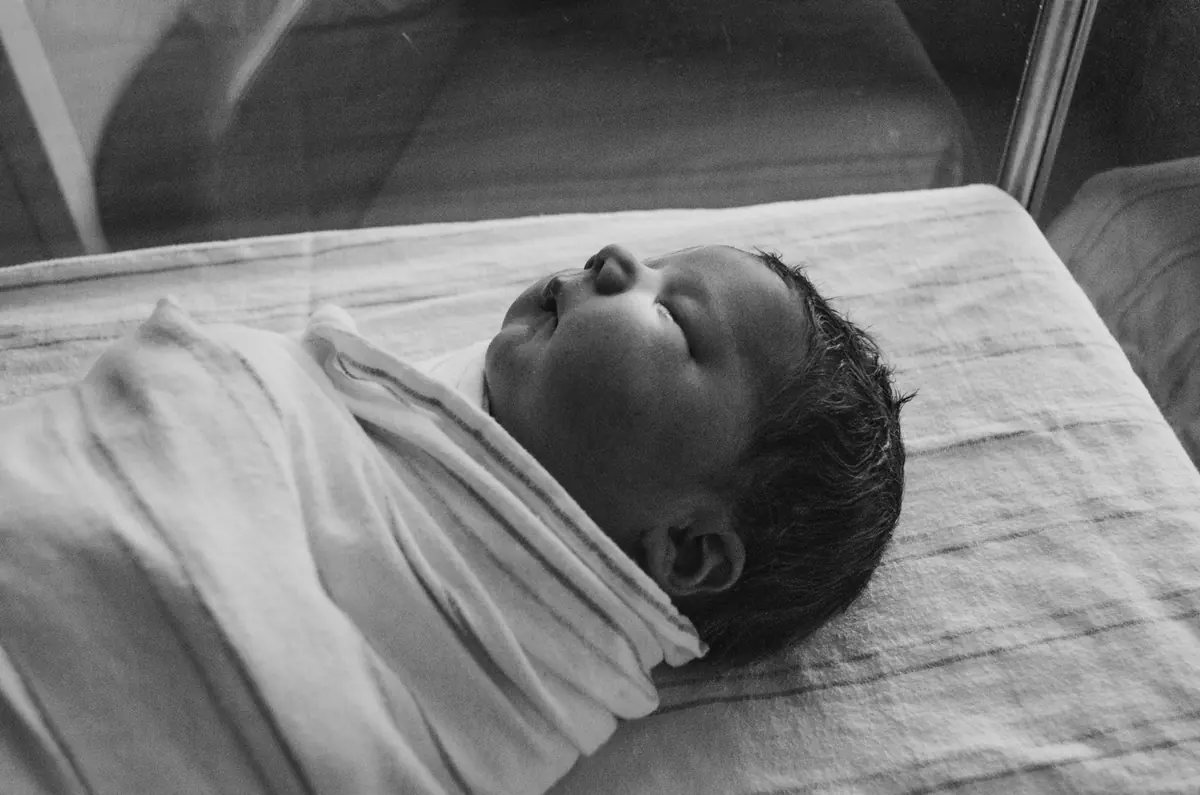
What the NICU is
A neonatal intensive care unit (NICU), sometimes called the special care baby unit (SCBU), is a hospital ward for newborns who need more care than a usual postnatal ward can give. Babies may be admitted because they were born early or small, have breathing difficulties, an infection, severe jaundice, or another condition that needs close watching.
Walking into a neonatal unit for the first time can be overwhelming. It helps to know what you are looking at.
Equipment you may see
- Incubator: an enclosed cot that keeps a baby warm and protected
- Radiant warmer: an open cot with a heater above it
- Monitors: small sensors that track heart rate, breathing and oxygen levels. Alarms are common and do not always mean something is wrong
- Oxygen or CPAP: gentle air pressure or extra oxygen through small tubes at the nose to support breathing
- Phototherapy lights: blue lights that treat jaundice
- Drip (IV line): a thin tube in a vein for fluids or medicines
- Feeding tube: a soft tube through the nose or mouth into the stomach, used to give milk until a baby can feed by mouth
The team
Your baby may be cared for by neonatologists (doctors who specialise in newborns), paediatricians, resident doctors, neonatal nurses and other specialists. It is reasonable to ask who is responsible for your baby’s care and when you can speak with them.
How you can be involved
- Wash your hands carefully every time you touch your baby
- Ask whether you can give skin-to-skin (kangaroo) care
- Express breast milk if your baby cannot yet breastfeed. Ask staff for help, containers and labelling
- Learn to change nappies, clean your baby and recognise feeding cues
- Write down questions and ask them during ward rounds
Questions you might ask
- Why is my baby here, and what is the plan today?
- What is this machine or tube for?
- How is my baby feeding, and how can I help?
- What signs of progress are you looking for before discharge?
- Who can I call if I have a question when I am not on the ward?
Looking after yourself
Having a baby in the NICU is stressful. Rest when you can, eat, and accept help from family and friends. If you feel persistently low, anxious or unable to cope, tell a health worker. Our article on supporting parents has more on this.